Towcester Greyhound Results: The Complete Guide to Races, Data & Trends
 Available in US
Every result. Every time. Data that counts.
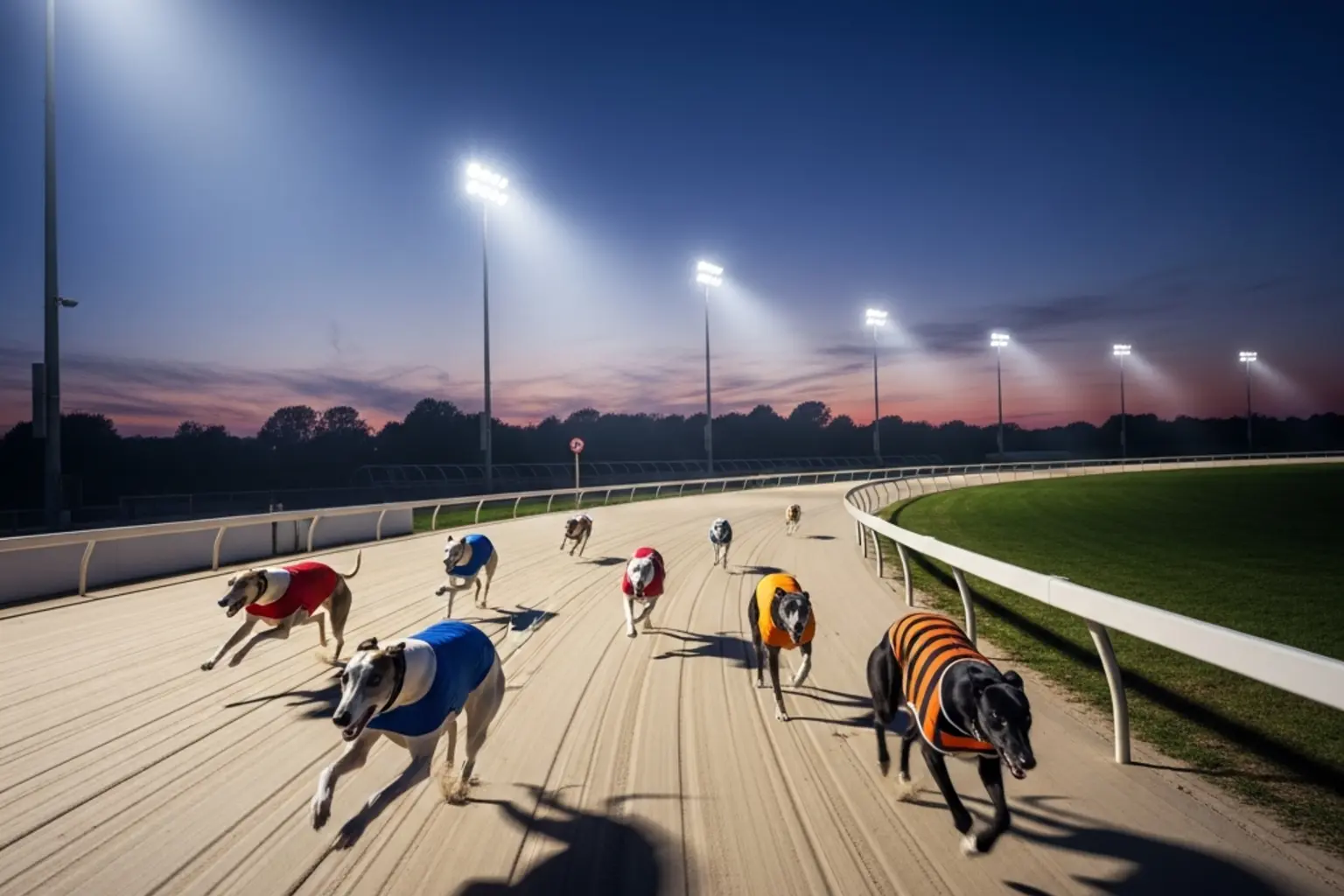
Towcester sits in the south Northamptonshire countryside, about as far from the bright lights of a city stadium as a greyhound track can get. Yet since November 2025 it has become one of the most talked-about venues in British dog racing. Under new management, running five meetings a week on the Premier Greyhound Racing circuit and broadcasting live on Sky Sports Racing, Towcester greyhound results now land on more screens and in more betting-shop feeds than at any point in the track's short history. If you follow UK greyhound racing with any seriousness, these results are no longer optional reading.
This guide exists because the raw data only tells half the story. A finishing position, a sectional time, a starting price — each number carries context that changes depending on the track it was produced at. Towcester is not Nottingham. It is not Romford. The circuit was carved out of a former horse-racing venue at a cost of £1.5 million, with 60,000 tonnes of earth moved to create a running surface that sits level with the main straight of the old racecourse. The result is a track with a six-metre elevation change — the only one of its kind among the 18 GBGB-licensed stadiums currently operating in England and Wales. That topography shapes everything from trap bias to sectional splits, and understanding it is the first step toward reading Towcester greyhound results with any real intelligence.
The sport these results belong to remains substantial, even as it navigates economic headwinds and political scrutiny. Across the UK, roughly 500 licensed trainers prepare around 6,000 newly registered greyhounds each year, backed by some 15,000 owners. On the welfare front, the trajectory is measurably positive: the GBGB's 2024 data recorded an injury rate of 1.07% across 355,682 individual race starts — the lowest figure since records began. Those numbers do not make welfare a settled debate, but they do anchor it in verifiable evidence rather than assumption.
What follows is a comprehensive, data-first breakdown of everything that shapes Towcester greyhound results. You will find explanations of how to read the result lines themselves, the distances the dogs run, the surface they run on, the trainers who prepare them, the competitions that define the calendar, and the history that brought the track from a speculative build to a centrepiece of the PGR schedule. Each section is built on sourced statistics and expert insight rather than recycled filler. Where a number appears, it comes from a named origin. Where an opinion appears, it belongs to someone who has earned the right to hold one.
Whether you are a seasoned BAGS market punter looking for track-specific angles or a newcomer trying to make sense of your first Towcester racecard, this guide is built for you. Start anywhere — the sections are designed to work independently — or read straight through for the full picture.
Five Things Every Punter Should Know About Towcester in 2026
- Towcester now runs five PGR meetings per week with live Sky Sports Racing coverage since November 2025 — producing over 60 results per week and one of the fastest-growing data sets in UK greyhound racing.
- The track's six-metre elevation change and 300-tonne sand upgrade in 2026 make generic trap-bias and time-comparison models unreliable here; venue-specific data is essential.
- Over 55% of all graded races are 270m sprints, where trap draw and early pace dominate outcomes. At 480m, the gradient and wider bends reward a different running profile.
- The English Greyhound Derby — won by Droopys Plunge at 10/1 in 2025, with a £175,000 winner's purse — is the highest-quality data event the track produces each year.
- New trainers from Swindon and Oxford have broadened the kennel pool under Orchestrate, increasing competition depth and making recent form analysis more important than ever.
How to Read Towcester Greyhound Results
Every Towcester greyhound result tells a story, but only if you know how to read the language it is written in. A single result line from a standard GBGB meeting packs finishing position, trap number, race time, sectional splits, distances behind the leader, in-running comments and the starting price into one dense row. Miss any of those elements and you are making decisions on incomplete evidence.
The Result Line: Field by Field
Take a typical 270m sprint result at Towcester. The line begins with the finishing position — a straightforward number from 1 to 6 (or occasionally 1 to 8 in open races). Next comes the trap number, colour-coded in most display systems: red for trap 1, blue for trap 2, white for 3, black for 4, orange for 5 and black-and-white stripes for 6. These colours are not decorative — they correspond to the physical jacket the dog wears, and knowing them by sight makes live viewing and rapid racecard scanning considerably faster.
After the trap comes the dog's name and the trainer's name. Both matter more than casual punters tend to assume. The same dog at the same distance can produce wildly different results depending on whether it has been moved between kennels, returned from injury, or is running on a surface it has not trialled on. Trainer form, as a distinct metric from dog form, is one of the most underused data points in BAGS-market betting.
The finishing time follows. At Towcester this is recorded to two decimal places and, for most graded races, is accompanied by a sectional time — usually the first split to a timing point partway around the circuit. The relationship between that sectional and the overall time is where the real analytical value sits, and it gets its own section later in this guide.
Distances and In-Running Comments
The distances column records how far each dog finished behind the one in front. These are given in standard greyhound increments: a short head (SH), a head, a neck, half a length, and then full lengths. In a tight 270m sprint, a distance of one length can represent a meaningful performance gap; at 480m, the same distance is more compressed in temporal terms. Context always matters.
In-running comments — the shorthand descriptions like "led early", "challenged wide", "baulked first bend" — add a narrative layer. They are entered by the track steward or photo-finish operator and describe what happened during the race. For form analysis, these comments are gold. A dog that finished fourth but was "baulked first bend, ran on" is a fundamentally different proposition from one that finished fourth after leading into the final straight. The finishing position is the same; the form interpretation is not.
SP, CSF and Tricast
The Starting Price (SP) is the official price returned at the off, compiled from the on-course market. The Computer Straight Forecast (CSF) is the calculated dividend for predicting first and second in the correct order; the tricast extends that to first, second and third. Both appear alongside the result and give an immediate sense of how predictable the outcome was. A CSF of £8.40 suggests a relatively expected result; a CSF north of £150 tells you the form book was torn up.
One detail that trips up beginners: the abbreviation codes in result lines. "D" indicates the dog was slow from the traps (dwelt), "A" means it broke alertly. Other common shorthand includes "S" for slipped, "W" for wide running, "M" for middle, and "Bk" for running at the back. These single-letter codes compress real-time race dynamics into a format that can be scanned across a full card in minutes. Master them and you read faster. Ignore them and you are guessing.
Every field in a Towcester result line — from finishing position to in-running comment — carries analytical weight. Reading these results properly means treating each column as a variable, not just looking at who crossed the line first.
Race Distances at Towcester: From 270m Sprints to 480m Stays
Distance is the first filter for any meaningful analysis of Towcester greyhound results. The track currently offers two standard distances — 270 metres and 480 metres — with hurdle races and a planned new distance in development. Each distance produces a different type of race, rewards a different type of dog, and generates a different profile of results data.
270m: The Sprint That Dominates the Programme
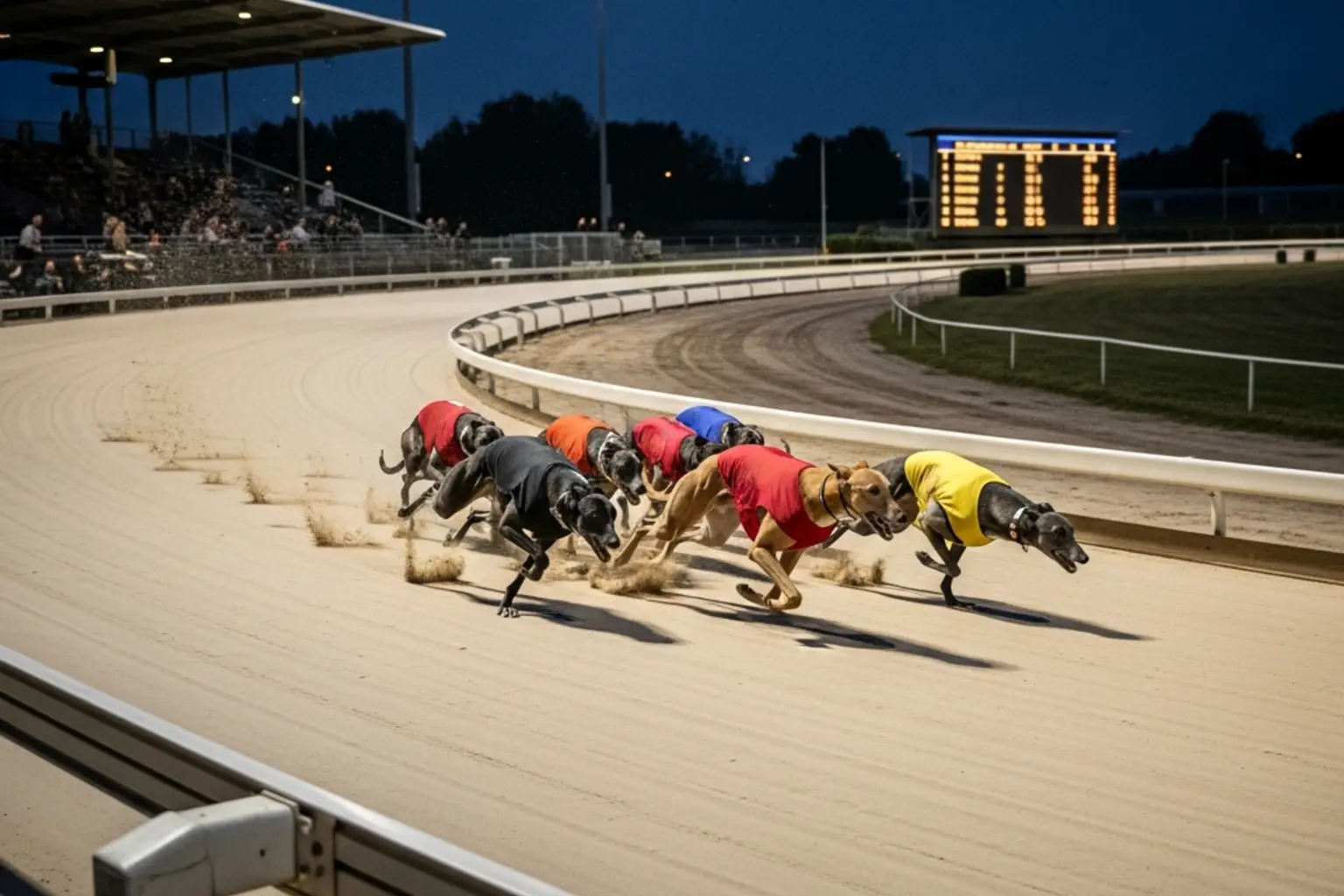
In 2025, of 2,911 graded races held at Towcester, 1,625 — or 55.8% — were run over the 270m sprint trip. This is the bread-and-butter distance at the track, and it shapes the overall profile of Towcester greyhound results more than any other factor. The 270m race involves two bends. Dogs break from the traps on a short straight, navigate a right-hand turn, and then sweep around a second bend before hitting the home straight. The entire affair is over in roughly 16 seconds.
At this distance, trap draw is disproportionately important. There is limited time for a dog to recover from a slow break or a wide run on the first bend, and the inside boxes tend to produce a measurable advantage in win-rate data across most sprinting tracks. The sectional split — how quickly the dog reaches the first timing point — is often the single best predictor of finishing position. Early pace is not just an advantage at 270m; it is close to a prerequisite.
480m: The Standard Middle Distance
The 480m trip takes dogs around four bends and produces races that typically last between 29 and 31 seconds, depending on grade and going. This distance rewards a different athletic profile: sustained pace, the ability to handle crowding through bends, and enough stamina to maintain speed through the final straight after three hundred metres of effort. Form figures from 480m races tend to be more consistent than sprint results, because the longer distance reduces the impact of a single incident — a stumble out of the traps, a check on the first bend — on the final outcome.
For punters, 480m results at Towcester require attention to the track's unique elevation. The back straight carries a gradient that does not exist at flat tracks like Romford or Crayford. Dogs with a strong run-in but a slower early pace can find value at this distance that they would not get at 270m.
What Is Coming: The ~460m Distance
Towcester management has indicated plans to introduce a new distance of approximately 460 metres. The aim is to expand the four-bend race programme and offer trainers more options for placing dogs that sit between the standard sprint and middle-distance categories. If implemented, this additional distance will diversify the results data significantly and create new analytical questions about how dogs trained for 480m adapt to a slightly shorter trip, and whether 270m specialists can stretch up effectively.
Hurdles
Hurdle races occasionally feature in the Towcester programme, though they represent a small fraction of the overall card. These races add physical obstacles to the standard distances and test jumping ability alongside raw speed. The results from hurdle events carry their own form logic: a dog that excels on the flat may be an average hurdler, and vice versa. They are worth tracking as a separate data set rather than mixing them into general distance-based analysis.
More than half of all graded races at Towcester are 270m sprints. Knowing which distance a race covers is the non-negotiable starting point for reading any result from this track.
Track Layout, Surface and Trap Bias
No two greyhound tracks race the same, and Towcester is further from the norm than most. Understanding how this circuit was built, what sits beneath the dogs' feet, and which traps produce a measurable advantage is essential for anyone who takes Towcester greyhound results seriously.
The Build: An Engineering Job, Not a Landscaping One
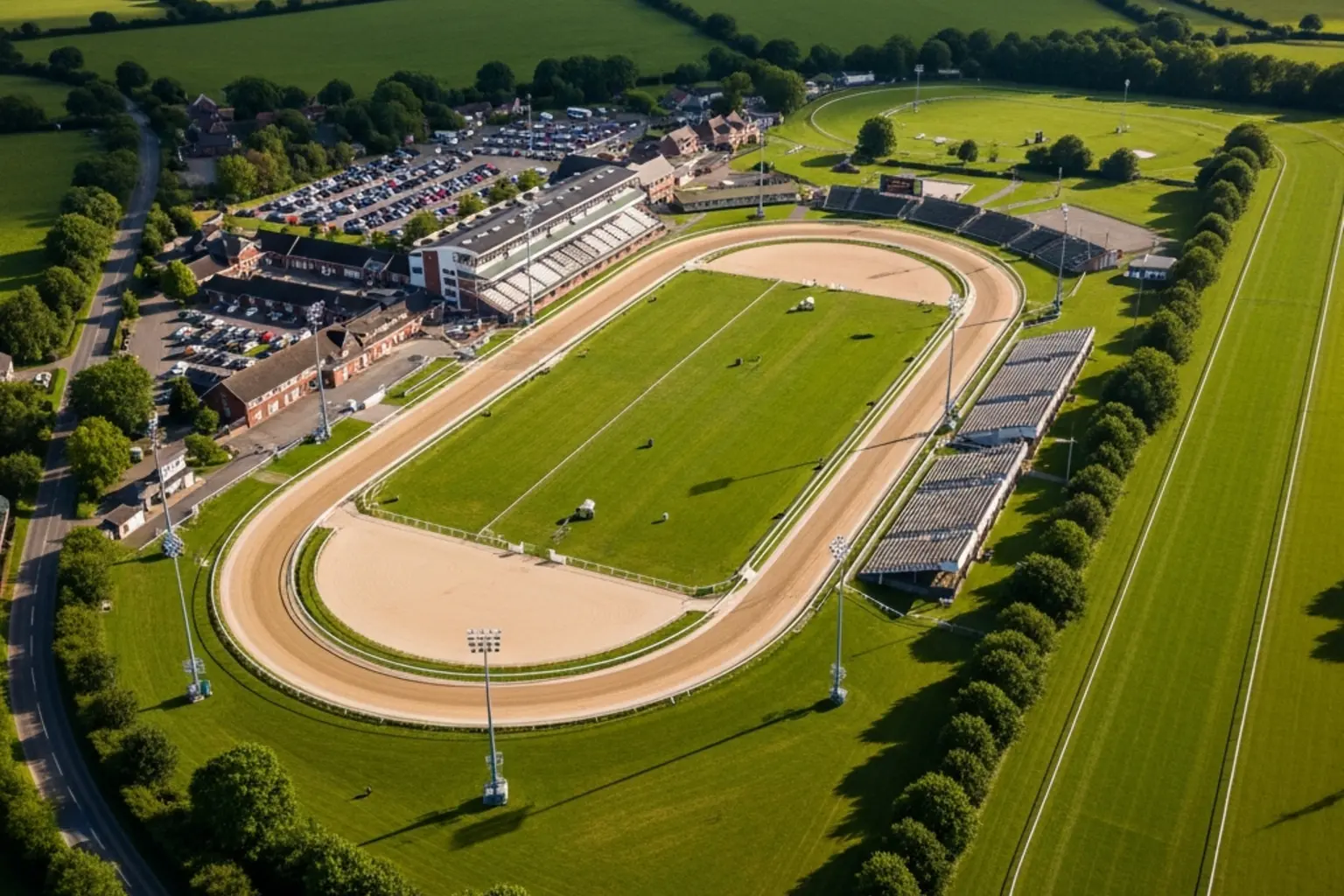
When the greyhound circuit was constructed inside the existing Towcester racecourse in 2014, it was not a matter of laying sand on a flat field. Engineers moved 60,000 tonnes of earth to bring the running surface level with the main straight of the horse-racing track, creating an elevation change of six metres across the circuit. That gradient is unique in British greyhound racing. No other GBGB-licensed stadium has a comparable topographic profile, and it directly influences how dogs carry their speed through bends and along the back straight. A greyhound running uphill into the second bend at Towcester is doing something it would never be asked to do at Romford, Monmore or Hove.
The circumference is approximately 420 metres, which places Towcester among the larger tracks in the country. The bends are wide by industry standards, and the trapping straight is generous enough to give all six boxes a reasonable sight of the first bend — though "reasonable" and "equal" are not the same thing, as the bias data makes clear.
Surface: 300 Tonnes of Fresh Sand
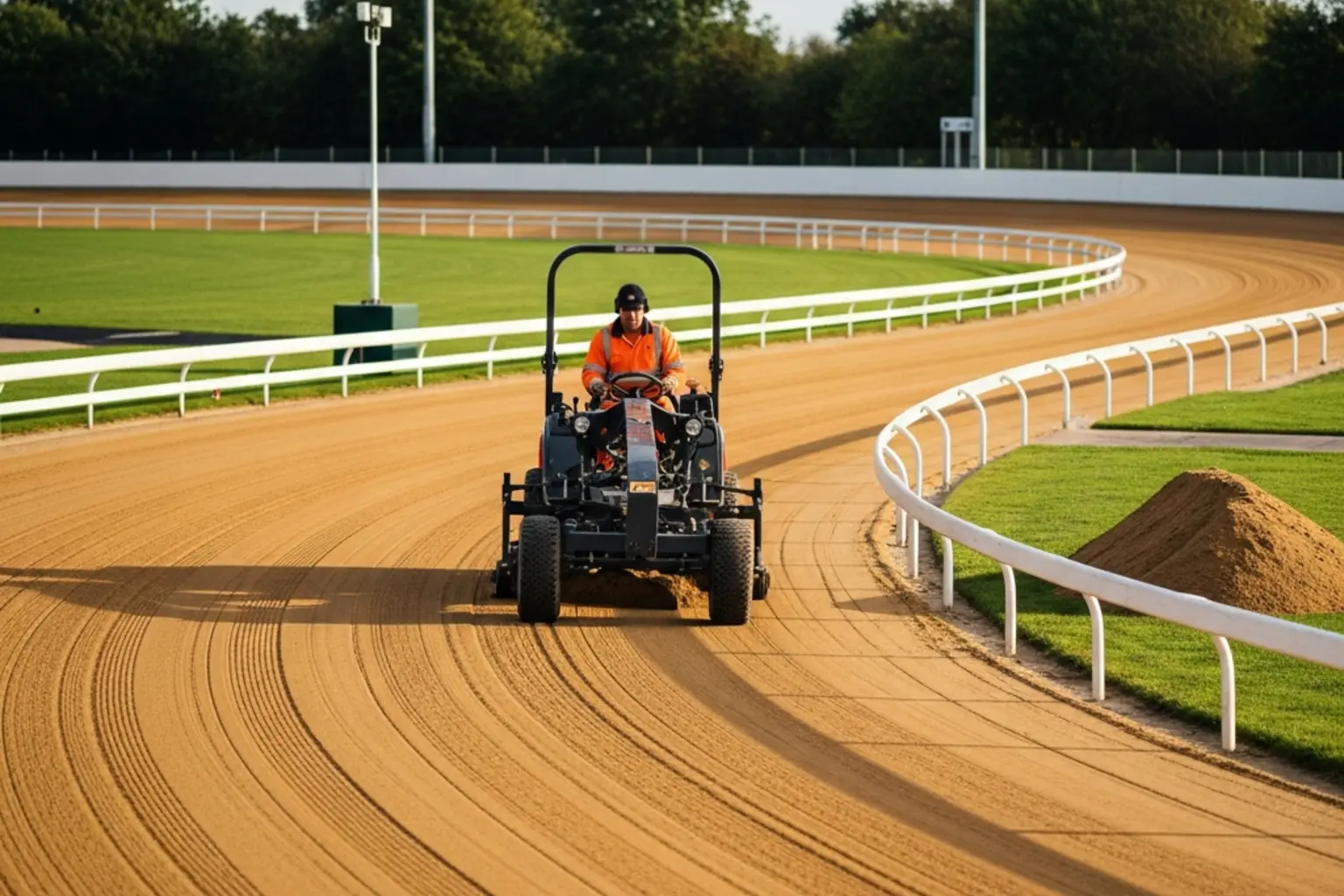
The running surface at Towcester is a sand-based track, maintained to GBGB standards. In early 2026, the track received a significant upgrade: approximately 300 tonnes of new sand were laid as part of a comprehensive surface overhaul under the new Orchestrate management. This was not routine top-dressing; it was a deliberate reset of the racing surface to improve consistency and safety.
James Chalkley, Head of Racing at Towcester Racecourse, explained the approach directly: "We have not been afraid to go right back to the basics with the surface. The extra sand and revised maintenance regimes are about delivering a track that is as safe as possible for the greyhounds to run on, from the first race to the last, all-year round." — James Chalkley, Head of Racing, Towcester Racecourse.
The maintenance is now overseen by Josh and Derren Sealey, who were brought in specifically for their specialist track knowledge. Chalkley described the impact of that hire: "Bringing Josh and Derren gives us a wealth of specialist knowledge on how to get the very best out of Towcester's circuit and overcome the challenges we ultimately face. Their experience is already making a visible difference to how the track is prepared and presented for every meeting." — James Chalkley, Head of Racing, Towcester Racecourse.
For results analysis, the surface upgrade matters because historical time comparisons need to be recalibrated. A dog that ran 16.20 on the old surface may not reproduce that figure on the new one, even if its fitness and form are identical. Any serious form study at Towcester in 2026 should treat the sand upgrade as a line in the data: pre-upgrade and post-upgrade are functionally different data sets.
Trap Bias: What the Numbers Show
Trap bias exists at every greyhound track, but the extent and direction vary by circuit geometry, rail position, and distance. At Towcester, the inside boxes (traps 1 and 2) tend to show a win-rate advantage over 270m, which is consistent with most two-bend sprint tracks where the first bend comes early and the rail position is decisive. The effect is less pronounced over 480m, where the additional distance gives wide runners more time to find a racing line.
Bias is not fixed. It shifts with surface condition, weather, and the specific field composition on any given night. Cross-referencing trap bias data with individual running-style descriptions from recent results — those in-running comments discussed earlier — is where this analysis becomes genuinely useful. Never assume Towcester trap bias mirrors the track you last studied. The elevation, the bend radius, and the surface composition all push the numbers in directions specific to this venue.
Towcester's unique elevation profile and the 2026 surface upgrade make it a track where generic assumptions about bias and going will cost you. Use venue-specific data or accept the consequences.
Race-Day Schedule and Where to Watch
The rhythm of Towcester greyhound results has changed fundamentally since the venue moved onto the PGR schedule. Understanding when races happen, how many races make up a card, and where you can watch them is basic housekeeping for anyone who wants to track form consistently.
Five Meetings a Week
Towcester now stages five competitive meetings per week under the Premier Greyhound Racing banner — a significant increase from the three or four race days per week that were standard under the previous operator. The typical schedule covers weekday evenings and a Saturday night card, with first-race times varying between early evening and late afternoon depending on the day and the time of year.
Each meeting generally features between 12 and 14 races, with the majority being graded events over 270m and 480m. Open races and special events slot into the programme periodically, but the core output is graded BAGS racing designed to feed the betting-shop and online markets. That means results are produced in volume — over 60 races per week — and the data set grows quickly. For form analysts, this density is a genuine advantage: you do not have to wait long for a dog to reappear in the results, which keeps form figures current and reduces guesswork.
Sky Sports Racing and attheraces.com
Since 25 November 2025, every PGR meeting at Towcester has been broadcast live on Sky Sports Racing and streamed via attheraces.com. This was the product of a deal between Arena Racing Company, PGR and Orchestrate Ltd, and it transformed the track's visibility overnight. Before this arrangement, Towcester results reached punters primarily through data feeds and bookmaker platforms. Now the races are viewable in real time, with professional camera coverage and on-screen graphics.
Mark Kingston, Arc's Director of Media Technology and Production, framed the significance of the move: "We're delighted to welcome Towcester to the Premier Greyhound Racing schedule, joining our line-up of leading UK tracks and strengthening the quality and depth of our coverage." — Mark Kingston, Director of Media Technology and Production, Arena Racing Company.
For punters, the practical upside is simple: you can now watch the race before you read the result. That matters more than it sounds. In-running comments in the result line are useful, but they are a summary written by a steward. Watching the actual footage lets you see how a dog handled the bends, whether it was impeded or had clear running, and how much it had left at the line. If you are analysing Towcester greyhound results without watching at least some of the races they describe, you are working with an incomplete toolkit.
Bookmaker Feeds and In-Shop Viewing
Beyond Sky Sports Racing, Towcester results are distributed through the standard SIS and TRP data channels that supply betting shops and online platforms across the UK. The picture-and-data feeds mean that even punters without a Sky subscription encounter Towcester races in their local bookmaker. The BAGS fixture list ensures consistent scheduling, so the races appear in the same time slots week after week — a reliability that makes it easier to build watching habits and track patterns over time.
Top Trainers: A Quick Snapshot
Greyhound results do not happen in a vacuum. Behind every finishing time and trap performance sits a trainer who made decisions about preparation, race entry, distance selection and kennel management. At Towcester, the trainer pool has undergone a notable shift since Orchestrate took over operations, and the effects are already visible in the results data.
New Arrivals and the Orchestrate Effect
One of Orchestrate's early moves was to restructure the prize-money and trainer-payment system to attract a higher calibre of kennel. The results have been tangible. Among the trainers who have moved their operations to Towcester since the change of management are Darryl Porter, Peter Swadden and Kevin Crocker from Swindon, alongside Dave Jeans, Tony Welch and Nick Deas from Oxford. These are experienced handlers with established strings of dogs, and their presence broadens the depth of competition at the track.
The influx matters for results analysis because a more competitive kennel pool generally means tighter finishes and less predictable outcomes at the lower grades. When only a small number of trainers dominate a track, patterns are easier to spot — certain kennels win certain grades on certain nights. A larger and more diverse trainer base disrupts those patterns and demands more granular analysis. You can no longer rely on "this trainer always does well in A4 sprints on a Tuesday" if three new kennels are entering competitive dogs in the same races.
What to Track in Trainer Form
Strike rate — the percentage of runners that win — is the most commonly cited trainer metric, but it is also one of the most misleading if used in isolation. A trainer with a 20% strike rate who enters dogs in lower grades is not necessarily outperforming a trainer with a 14% strike rate who competes primarily in open and A1 events. Grade context is essential.
More useful metrics include trainer performance by distance (some handlers specialise in sprints, others in middle-distance dogs), trap-draw tendencies (certain trainers are skilled at placing their dogs in favourable boxes), and recent momentum — whether the kennel's results are improving or declining over the past two to four weeks. At Towcester specifically, it is worth tracking how quickly new arrivals acclimatise to the unique surface and gradient. A trainer who dominated at a flat track may need several weeks of trialling before their dogs produce best-form results on this circuit.
Orchestrate's restructured prize-money and payment terms were described internally as "industry-leading" — a direct attempt to make Towcester the destination track for top-level kennels outside the traditional London-belt circuits.
The English Greyhound Derby at Towcester
The English Greyhound Derby is the race that puts Towcester on the national stage every summer. It is the oldest and most prestigious event in British greyhound racing, and since 2021 it has been held at Towcester — making this venue the custodian of the sport's single most important competition. For anyone studying Towcester greyhound results, Derby night represents the highest-quality data the track produces in any given year.
A Competition Running Since 1927
The Derby was first staged at White City in 1927 and has moved between venues several times in its history, including spells at Wimbledon and Nottingham. The roll call of winners reads like a history of British greyhound racing itself. Charlie Lister OBE holds the trainer record with seven victories. Only four dogs have won the Derby twice: Mick the Miller, Patricias Hope, Rapid Ranger and Westmead Hawk. These are names that carry weight far beyond the track, and the event's heritage gives it a cultural significance that no other greyhound race can match.
Format and Scale
The modern Derby follows a multi-round knockout structure that typically spans six rounds from initial heats to the final. Around 180 entries are received each year, with the field whittled down through first-round heats, second rounds, quarter-finals, semi-finals and the final itself. The competition runs over 500 metres — a distance that exists at Towcester primarily for this event and a handful of other open races.
Each round eliminates dogs and the standard of competition rises sharply as the weeks progress. By the semi-final stage, the greyhounds on display are among the best in training anywhere in Britain or Ireland. The final is a six-dog race that commands the largest prize fund in the sport and draws a trackside crowd that fills the venue well beyond its typical BAGS-night attendance.
Recent History at Towcester
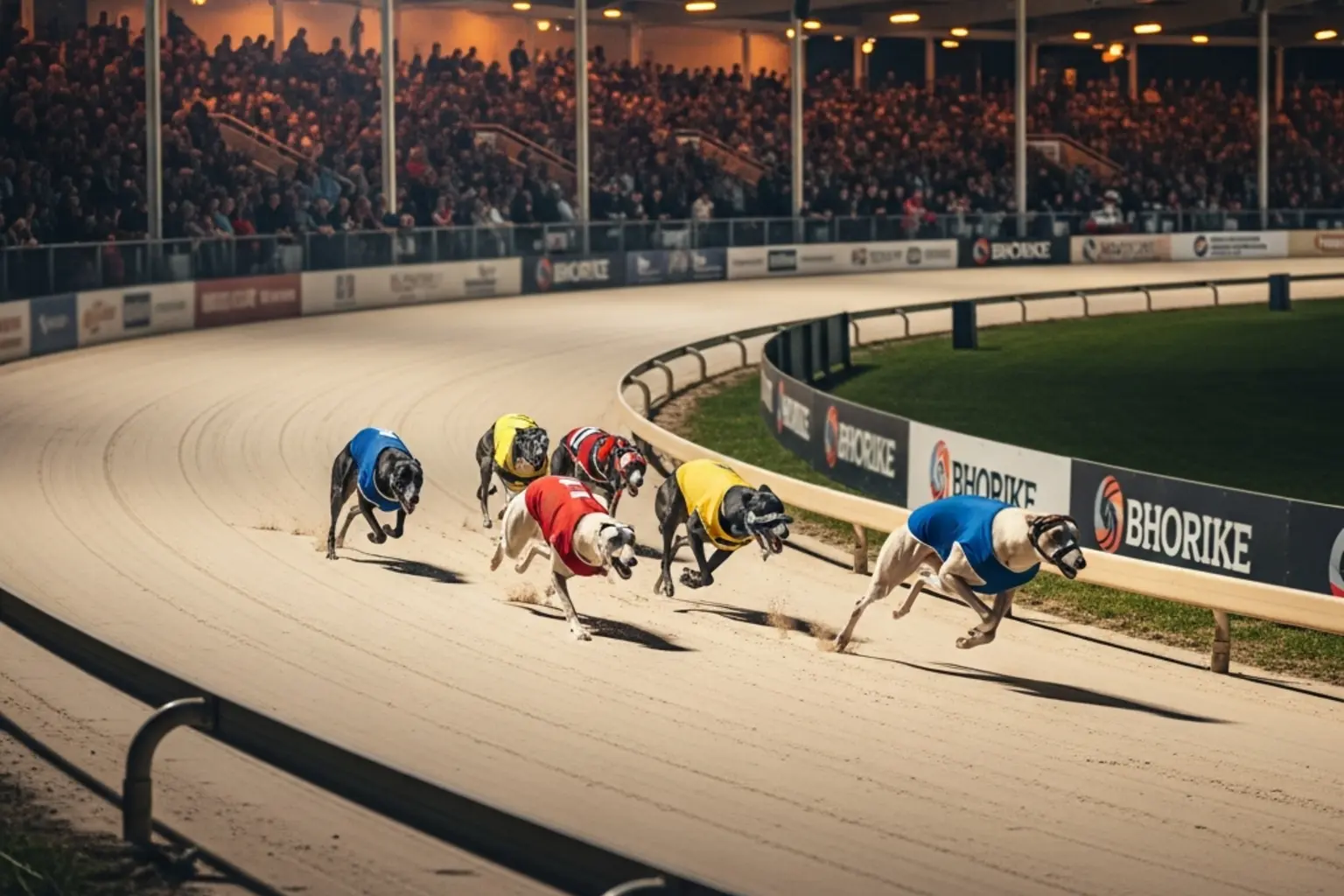
The 2025 English Greyhound Derby was won by Droopys Plunge at odds of 10/1, trained by Patrick Janssens for The-Three-Tall-Men Syndicate. The winner collected £175,000. The final was held on 14 June 2025 over the 500m trip — a result that underlined the event's unpredictability, with the eventual winner far from market favourite. The previous year saw De Lahdedah equal the track record for 500 metres at Towcester in the final itself, becoming the third consecutive Irish-trained champion.
What the Derby Means for Results Data
Derby rounds generate some of the most analytically valuable results Towcester produces. The dogs are elite, the fields are competitive, and the 500m distance provides data points that do not exist in the regular graded programme. Sectional times from Derby heats are especially useful for identifying pace profiles — which dogs lead early, which dogs run on — across a larger and higher-quality sample than any standard fixture can deliver.
There is also a practical betting angle. The multi-round structure means form is cumulative: you can track a dog through four or five rounds before the final, building a picture of how it handles Towcester's elevation, surface and specific 500m configuration. Unlike a one-off open race, the Derby gives you weeks of trackable data at the same venue over the same distance. For punters who value process over tips, this is the most fertile ground in the British greyhound calendar.
The 2026 Derby is expected to follow the same format and schedule. With the track now on the PGR circuit and broadcasting live on Sky Sports Racing, the event will reach a wider audience than the Towcester-hosted editions of 2021 through 2025. If the quality of entries matches recent years, the data from the spring 2026 rounds will be among the most scrutinised sets of Towcester greyhound results published all year.
Key Competitions and Prize Money
The Derby dominates the headlines, but Towcester's racing calendar extends well beyond a single summer competition. The track hosts a range of open races, category events and graded competitions that together form the backbone of its annual results output. Understanding the competition structure matters because the grade and type of race directly influences how you should interpret the result.
Graded Racing: The Engine Room
The majority of Towcester's programme consists of graded races — classified from A1 (the highest standard of open-graded racing below open class) down to A10 or A11 at the lower end. Dogs move between grades based on recent results, and the system is designed to keep competition within each race broadly even. An A3 race features dogs of roughly similar recent form; an A8 race features dogs at a lower performance level.
For form students, the grading system is both a guide and a trap. It indicates ability bands, but it does not account for the direction of form. A dog dropping from A2 to A4 after a string of poor results is a different proposition from a dog rising from A6 to A4 on the back of consecutive wins. Grade alone tells you the level; recent trajectory tells you the story.
Open Races and Feature Events
Open races sit above the graded structure and attract the best dogs available. They typically carry larger prize funds and may be staged over non-standard distances. At Towcester, the open races that appear outside the Derby season offer opportunities to see top-class dogs in competitive action, and the results from these events carry particular analytical weight. A dog that performs well in an open at Towcester has demonstrated it can handle both the surface and the field quality.
Feature competitions — named events sponsored by bookmakers, breeding operations or industry bodies — slot into the calendar at various points through the year. These races often have specific entry criteria and may require dogs to have achieved a minimum time standard or hold a minimum grade. The results from feature events are worth tracking separately because the entry conditions tend to produce more uniform field quality than standard graded cards.
Prize Money in Context
Across the UK, total prize money in greyhound racing reached £15,737,122 in the most recent fully reported year. That figure encompasses all GBGB-licensed tracks, from the smallest BAGS venues to the biggest PGR stadiums. Towcester's share of that total has increased since joining the PGR circuit, with the restructured prize-money framework under Orchestrate placing the venue at the more competitive end of the industry.
Prize money matters for results analysis because it influences where trainers choose to run their best dogs. A track offering stronger prize funds attracts stronger entries, which in turn produces more competitive racing and more informative results. The economic incentive is circular: better prize money draws better dogs; better dogs produce better races; better races draw more media attention and betting turnover, which funds better prize money. Towcester's position on this cycle has improved markedly since November 2025, and the quality of the results data reflects that shift.
History and Timeline: From Construction to Orchestrate
Towcester's history as a greyhound venue is shorter than most people assume. The track opened in December 2014, which makes it one of the youngest circuits in British greyhound racing — and that youth has been both an advantage and a source of turbulence. Understanding the timeline helps explain why Towcester greyhound results look the way they do today.
2014: The Build
The greyhound track was constructed inside the existing Towcester racecourse, a horse-racing venue with roots stretching back centuries. The project cost £1.5 million and required 60,000 tonnes of earth to be moved, creating the distinctive elevated running surface that sets Towcester apart from every other GBGB track. The first greyhound meeting was held on 6 December 2014, and the initial reception was cautiously optimistic: here was a purpose-built facility in a part of the country that had no nearby greyhound stadium.
2015 to 2023: Growth, Financial Strain and the Henlow Era
The early years saw Towcester establish itself on the BAGS circuit, but the financial model proved difficult. Operating a greyhound stadium in a rural location, without the footfall of a city-centre site, created persistent cost pressures. The racecourse entered administration, and the greyhound operation was eventually taken over by Henlow Racing, led by Kevin Boothby. Under Henlow, the track continued to race but at reduced frequency and with limited capital investment. Smaller fields, fewer meetings per week, and a thinner trainer pool — Towcester was operational, but it was not thriving.
November 2025: Orchestrate Takes the Lease
The transformation began on 1 November 2025, when Orchestrate — an organisation led by Mike Davis — assumed a 10-year lease on the venue from Kevin Boothby. The length of the lease signalled intent: this was not a short-term operation. Orchestrate moved quickly, appointing Richard Thomas as CEO. Thomas brought more than 20 years of experience from Chester Race Company, where he had developed the hospitality business and built the Horseradish brand. His appointment signalled that Towcester's future would not be limited to greyhound racing alone.
Thomas himself has spoken about the venue's potential in characteristically pragmatic terms: "We've got a racecourse which is a really good training racecourse and we've started work on getting it back to its best." — Richard Thomas, CEO, Towcester Racecourse.
The changes since November 2025 have been rapid. The track moved onto the PGR schedule, broadcasting was secured through Sky Sports Racing, the surface received 300 tonnes of new sand, new trainers were recruited, and the prize-money structure was overhauled. The results data from late 2025 onwards reflects a step change in competition quality and volume.
Looking Ahead: The Centenary and Beyond
Towcester's present-day momentum arrives at a symbolically significant moment. On 24 July 2026, British greyhound racing marks its 100th anniversary — one hundred years since the first race at Belle Vue, Manchester, in 1926. The GBGB is planning a centenary celebration at Dunstall Park that will include a reconstruction of the original six-race programme in 1920s style. Mark Bird, CEO of the GBGB, captured the mood: "2026 will be a year of celebration where we will remember the greats, including Mick The Miller, Ballyregan Bob, Scurlogue Champ and Westmead Hawk, while also demonstrating why our sport deserves its place in the 21st century." — Mark Bird, CEO, GBGB.
For Towcester, the centenary year also brings plans to return horse racing to the venue. Orchestrate has announced intentions to stage schooling days and a premium point-to-point fixture, which would make Towcester a dual-sport destination — the kind of venue its original construction was designed to support. If that plan materialises, the track's story comes full circle: a horse-racing venue that added greyhounds in 2014 may by late 2026 be running both codes from the same site.
The track's history explains its present. The investments that Orchestrate has made in surface, staffing and scheduling are not cosmetic; they are an attempt to bring a facility built for ambition back to the level its infrastructure was always capable of supporting. What happens next will be visible in the results.
Planning Your Visit to Towcester
Towcester Racecourse sits on the A5 in south Northamptonshire, roughly equidistant between Milton Keynes and Banbury. The postcode is NN12 6QT, and if you are coming by car from the M1, junction 15A brings you onto the A43 and from there it is a short drive south to the venue. Parking is on-site and free on standard race nights, though this may change for premium events.
What to Expect on a Standard Race Night
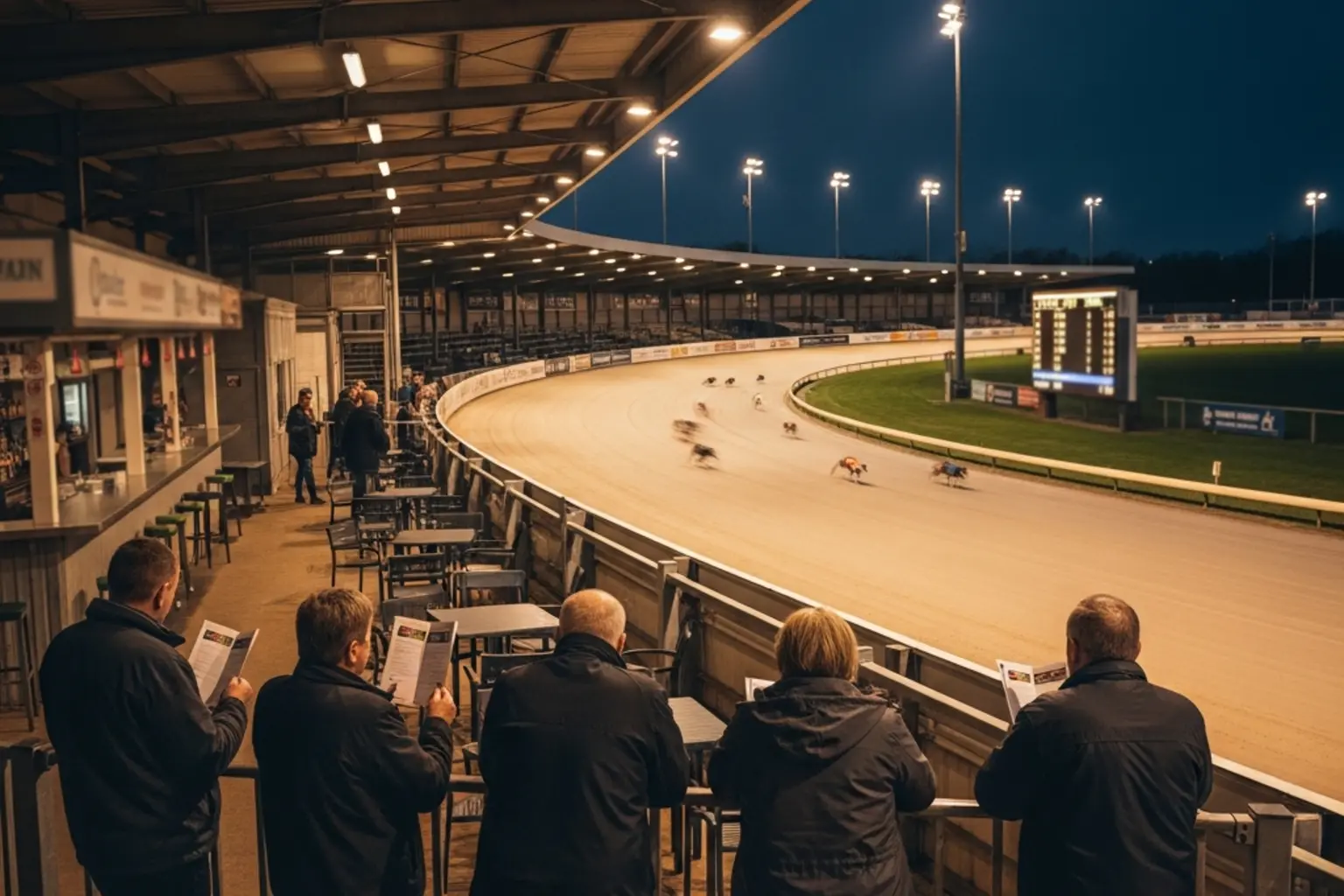
A typical evening card starts in the early evening, with first-race times usually between 17:30 and 19:00 depending on the day and time of year. A full card of 12 to 14 races will run across approximately three hours, so you should expect to spend the full evening at the track if you are staying for the last race. The atmosphere on a standard BAGS night is relaxed: this is not the Derby final. There will be regulars who come every week, a scattering of people on a social night out, and the quiet intensity of the punters who are there for the data.
Facilities include a bar, food service and viewing areas with trackside seating. The venue has invested in its hospitality offering under the new management, and Richard Thomas's background in hospitality development at Chester suggests this aspect of the operation will continue to evolve. For a first visit, the main thing to know is that you do not need to be a greyhound expert to enjoy the evening — but you will enjoy it more if you have at least glanced at the racecard beforehand.
Beyond Greyhounds: A Dual-Sport Future
If Orchestrate's plans to reintroduce horse racing at Towcester come to fruition, the venue will offer a dual-sport experience that is almost unique in British racing. The prospect of schooling days and premium point-to-point fixtures alongside the established greyhound programme would give visitors a reason to attend beyond the standard evening card. For those who follow both codes, Towcester could become a regular destination rather than an occasional one.
Getting There by Public Transport
Public transport to Towcester is limited. The nearest rail station is Northampton, roughly 10 miles away, and you would need a taxi or bus for the last leg. Milton Keynes Central is also an option if you are coming from London, but again the onward journey requires private transport. The honest assessment: Towcester is a car venue. If you are planning a visit, factor that in.
Welfare Standards at Towcester and GBGB
Welfare is the issue that shadows every conversation about greyhound racing in the UK, and it deserves to be addressed with data rather than rhetoric. At Towcester, as at every GBGB-licensed track, the welfare framework governs how dogs are treated before, during and after their racing careers. The numbers have improved significantly in recent years, though the debate about whether those numbers are good enough continues.
GBGB Data: The 2024 Picture
The most recent comprehensive welfare data from the GBGB covers the 2024 calendar year. The headline figure: 94% of greyhounds leaving the sport were successfully rehomed — 5,795 dogs placed in homes, up from 88% in 2018. That six-percentage-point improvement represents hundreds of additional dogs finding a life after racing every year, and it reflects a sustained industry effort around rehoming partnerships, particularly through the Greyhound Trust and its network of branches.
Mark Bird, CEO of the GBGB, reflected on the trajectory: "There is much to be pleased and encouraged by in this year's data. It shows that the initiatives we have introduced in recent years are now embedded and are helping to consolidate the significant progress we have made since 2018 across all measures." — Mark Bird, CEO, GBGB.
The injury rate stands at 1.07% across all race starts — the lowest on record. Track-level fatality rates have fallen to 0.03%, half of the 0.06% recorded in 2020. And in perhaps the most symbolically important metric, economic euthanasia — the practice of putting a dog to sleep because the cost of treatment was deemed too high — has been reduced to just three cases in 2024, down from 175 in 2018. The Injury Retirement Scheme, which funds treatment for career-ending orthopaedic injuries, has paid out nearly £1.5 million since its launch in December 2018.
What This Means at Towcester
Towcester operates under the same GBGB welfare regulations as every other licensed track, including mandatory veterinary attendance at all meetings, GBGB stewarding, and compliance with the track maintenance and safety standards that are a condition of the racing licence. The surface upgrade — 300 tonnes of new sand and a revised maintenance regime — was explicitly framed as a welfare investment as well as a performance one. A safer surface produces fewer injuries, and the Chalkley quotes earlier in this guide make the point directly.
For anyone studying Towcester greyhound results, the welfare context matters for a practical reason beyond ethics. Tracks with better surfaces and stricter welfare protocols tend to produce more reliable results data, because there are fewer races affected by surface-related incidents, false starts, or steward interventions. Data integrity and welfare investment are, in that sense, aligned.
UK greyhound racing has recorded measurable welfare improvements since 2018: rehoming is up to 94%, injuries are at a record low of 1.07%, and economic euthanasia has all but been eliminated. These figures are published annually by the GBGB and are open to scrutiny.
Frequently Asked Questions About Towcester Greyhound Results
Where can I find today's Towcester greyhound results?
Towcester greyhound results are published in real time through several channels. The Racing Post website and app carry full results for every meeting, including finishing positions, times, sectional splits, SPs and CSF dividends. The GBGB's own results database also provides official data. Since November 2025, all PGR meetings at Towcester are broadcast live on Sky Sports Racing and streamed on attheraces.com, so you can watch the races as they happen and then review the result data alongside the footage. Bookmaker platforms — including Bet365, William Hill, Paddy Power and others — display results through their greyhound sections, typically within seconds of each race finishing. For historical results and form data, Sporting Life and Timeform both offer searchable archives that cover Towcester meetings going back to the track's opening in 2014.
How many races does Towcester run each week?
Towcester currently stages five competitive meetings per week on the Premier Greyhound Racing schedule, a significant increase from the three to four meetings per week under the previous operator. Each meeting typically features between 12 and 14 races, with the majority being graded events over 270m and 480m. That translates to roughly 60 to 70 individual race results per week — a volume that gives form analysts a fast-updating data set. The schedule is consistent throughout the year, with minor adjustments for major events like the English Greyhound Derby and seasonal conditions that may occasionally affect scheduling.
What happens to greyhounds after they finish racing at Towcester?
All greyhounds racing at GBGB-licensed tracks, including Towcester, are subject to the governing body's retirement and rehoming framework. The most recent data from 2024 shows that 94% of greyhounds leaving the sport were successfully placed in homes — a figure that has risen from 88% in 2018. Rehoming is coordinated primarily through the Greyhound Trust and its affiliated branches across the UK, alongside independent rescue organisations. The GBGB also operates the Injury Retirement Scheme, which has paid out nearly £1.5 million since 2018 to fund treatment for greyhounds with career-ending orthopaedic injuries. Trainers at Towcester are required to comply with GBGB welfare regulations covering veterinary care, kennel standards and the retirement process for every dog in their care.
